What is Cold Process Soap?
You might think, “Soap is soap… right?”
Not quite.
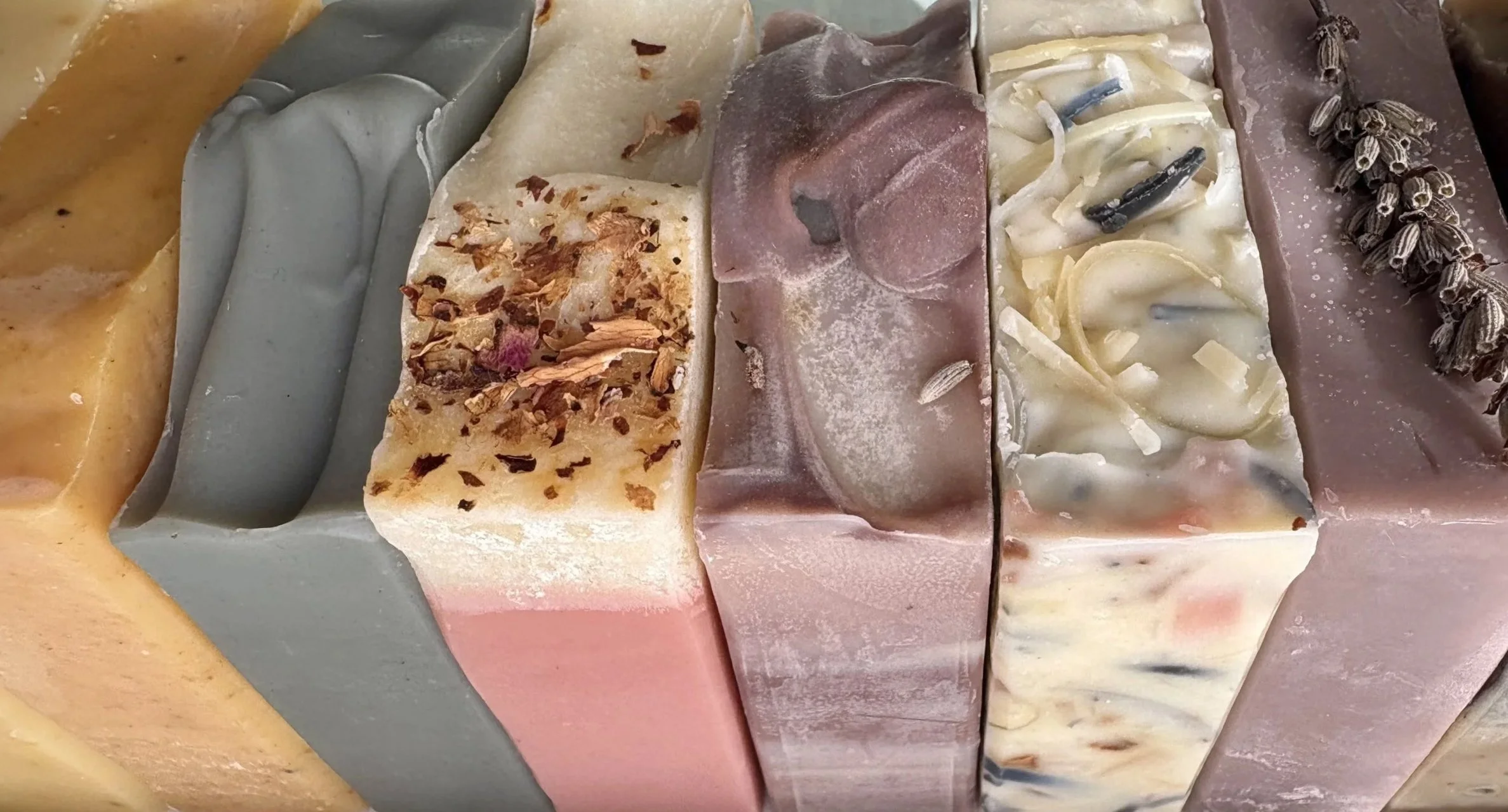
Soap can actually be made in several different ways, each using different methods and techniques. At Wild Māra, each bar is handcrafted using the traditional cold process method—a technique that has been used for centuries.
In fact, soap-making dates all the way back to around 2800 BC, when ancient Babylonians combined fats with ashes to create a soap-like substance. Archaeologists even discovered clay tablets describing “fats boiled with ashes,” which is considered one of the earliest records of soap-making.
What Is Cold Process Soap?
Cold process soap is made without using an external heat source. Unlike hot process soap, which is cooked, cold process soap relies on a natural chemical reaction that occurs at lower temperatures.
This reaction is exothermic, meaning it generates its own heat. During the process, temperatures can rise significantly on their own (up to 93 degrees celsius), allowing the soap to form naturally. The main stage of this reaction—called saponification—is usually completed within 24–48 hours.
What Is Saponification?
Saponification is the chemical reaction that turns oils or fats into soap.
It occurs when:
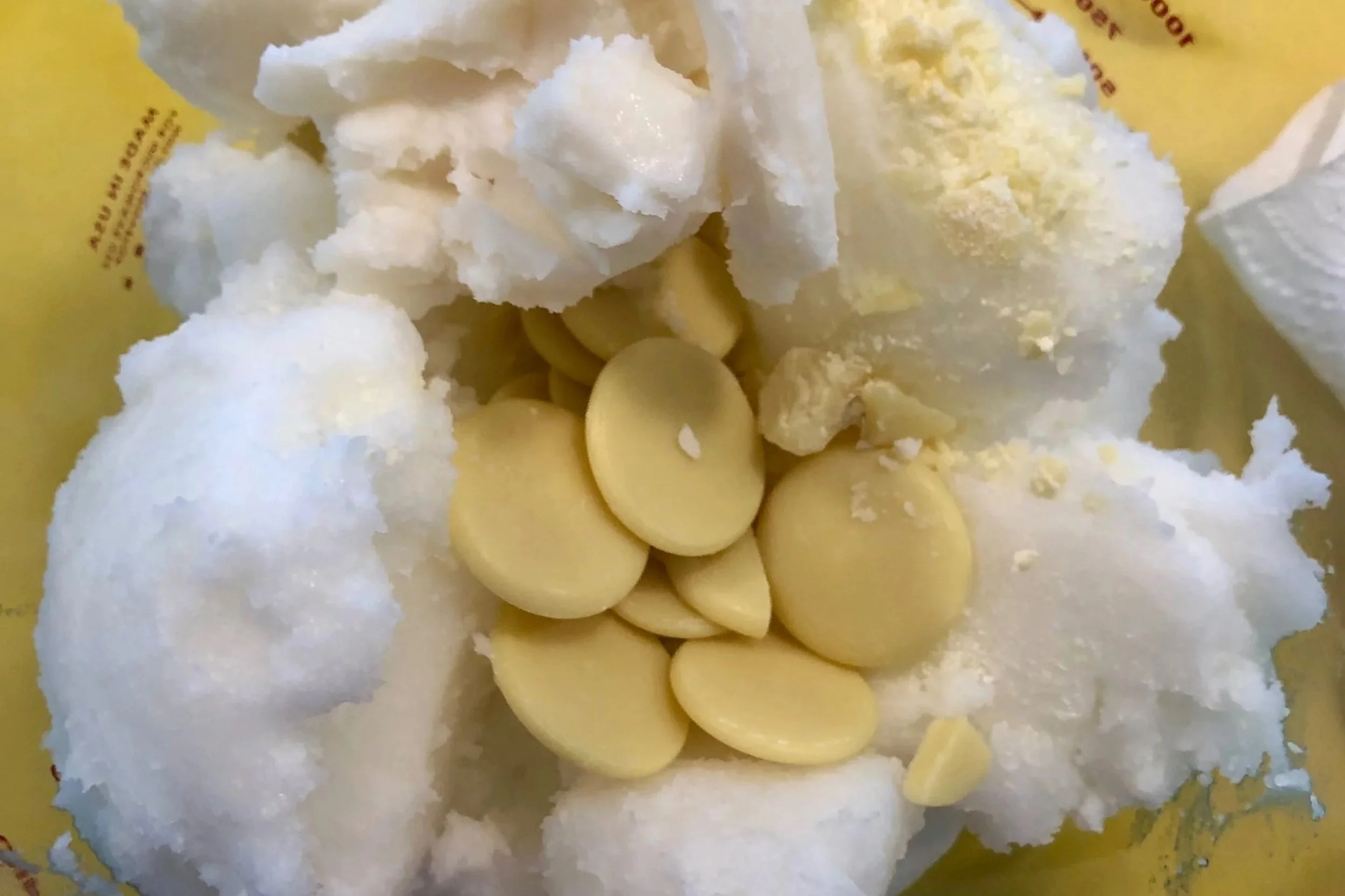
Oils or butters which are made of triglycerides, are combined with
A strong alkaline solution (lye dissolved in water)
For bar soap, the lye used is sodium hydroxide.
Once the reaction is complete, the original ingredients no longer exist in their original form. Instead, they transform into:
Soap
Glycerin (a naturally occurring, skin-loving by-product)
Water
Do You Need Lye to Make Soap?
Yes—absolutely.
There is a lot of misinformation online, but true soap cannot be made without lye. While lye (also known as caustic soda) is highly alkaline in its raw form, it is completely transformed during saponification.
When the recipe is properly formulated, no active lye remains in the final bar of soap. Plus at Wild Māra, all my soaps are formulated with a superfat percentage. This means that a small percentage of the oils/butters are not saponified, acting as a safety net but also allowing extra moisturising & nourishing benefits of these oils/butters to the final bar of soap. It’s a win win.
How Soap Recipes Are Formulated
Each oil and butter has a specific saponification value, which determines how much lye is needed to turn it into soap.
This is why every recipe must be carefully calculated.
Different oils bring different qualities to the final bar. For example:
Shea butter adds moisturising properties
Sunflower oil is full of essential fatty acids and vitamin E, which condition and moisturise skin
Coconut oil contributes to cleansing and hardness and promotes lather
By balancing these ingredients, a well-formulated soap can be gentle, long-lasting, and effective. Wild Māra soaps are palm-free and naturally kind.
Adding botanicals, clays and other natural additives such as coffee grounds, colloidal oats, honey, ground walnut shells for example, all have specific characteristics, can help to colour the soap or add exfoliating properties and also increase the skin-loving traits of the soap. And of course scenting the soaps using fragrance oils or essential oils. Wild Māra uses pure therapeutic essential oils in their soap formulations as they are natural unlike fragrance oils which are synthetic, and they provide aromatherapeutic benefits.
Safety in Soap Making
When lye is mixed with water, it creates a very hot solution (up to 93 degrees celsius) and releases strong fumes. Because of this, proper safety precautions are essential, including:
Full skin coverage
Protective gloves
Safety glasses
Good ventilation
Safety is a critical part of the soap-making process.
Why Does Cold Process Soap Need to Cure?
Cold process soap requires a curing period of 4 to 6 weeks.
During this time:
Excess water evaporates
The bar hardens
The soap becomes milder and more skin-friendly
A well-cured bar of soap will last longer and feel gentler on the skin.
Is Cold Process Soap Eco-Friendly?
Yes—cold process soap is considered an environmentally friendly method.
Because it doesn’t rely on external heat, it uses very little energy during production and produces minimal waste. This reduces its overall environmental impact, making it a more sustainable choice.
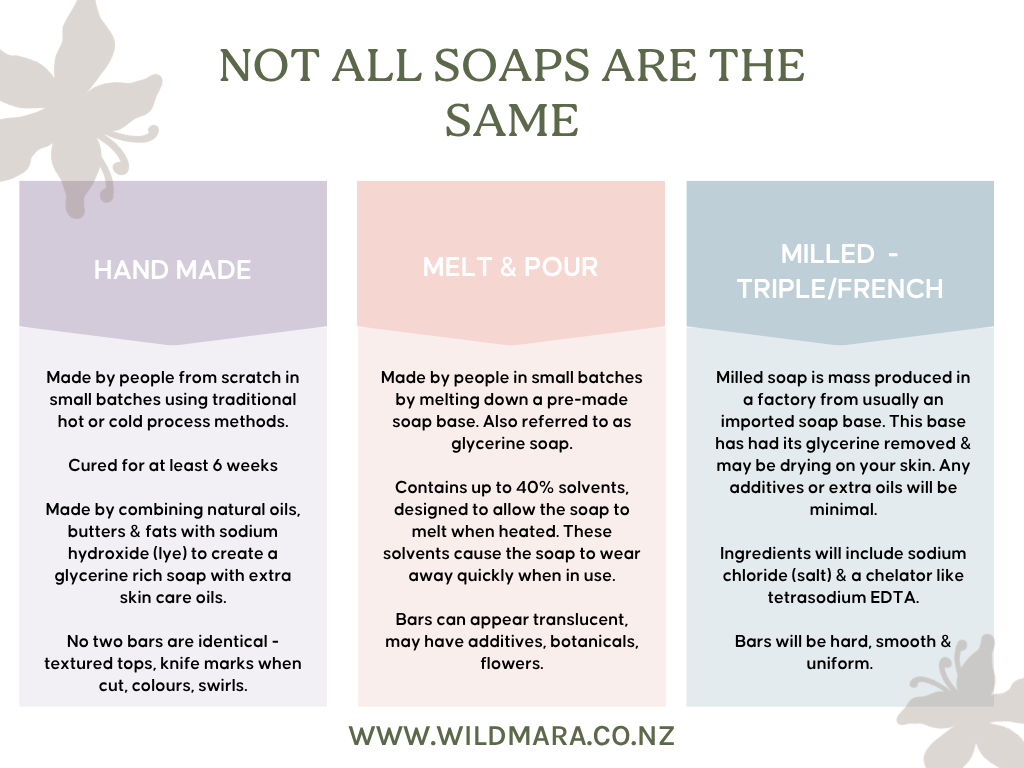
Not all soaps are the same!
Final Thoughts
Cold process soap making is a time-honoured technique that allows ingredients to retain their natural qualities. Because the oils and botanicals are not exposed to high heat, many of their beneficial properties are preserved. As a result, these soaps provide moisturising and gentle cleansing properties, making them even suitable for sensitive or dry skin.
Although the curing time means it takes longer to produce—and can be more costly—well-made cold process soap offers excellent benefits:
Gentle on the skin
Naturally glycerin-rich
Free from unnecessary additives
Thoughtfully crafted
Frequently Asked Questions
-
Cold process soap is handmade using a traditional method without external heat, while many commercial soaps are mass-produced and may contain synthetic additives or detergents.
-
No. When properly made, all the lye is used up during saponification, leaving none in the finished product.
-
It needs time to cure so excess water can evaporate and the bar can harden, resulting in a longer-lasting and gentler soap.
-
It can be, especially when made with high-quality oils and butters. It naturally contains glycerin, which helps attract moisture in the skin, enhancing hydration and leaving skin soft and supple. Unlike many commercial soaps that remove glycerine. Additionally, these soaps are free from harsh chemicals and synthetic additives, reducing the risk of skin irritation and allergic reactions. The essential oils and natural exfoliants offer aromatherapeutic benefits and promote smoother, more radiant skin.
-
The process takes time, care, and quality ingredients. The curing period alone can take up to 6 weeks, making it more labour-intensive than commercial alternatives.